
Thomas Hitzlsperger Questions German FA's Klopp Strategy and Criticises Modern Transfer Windows
Former German international Thomas Hitzlsperger has reflected on key developments across modern football, analysing Jurgen Klopp's appointment as Germany manager and the escalating frenzy of transfer deadline day. The former midfielder also praised Unai Emery's transformation of Aston Villa and reviewed Sebastian Hoeness's achievements with Stuttgart.
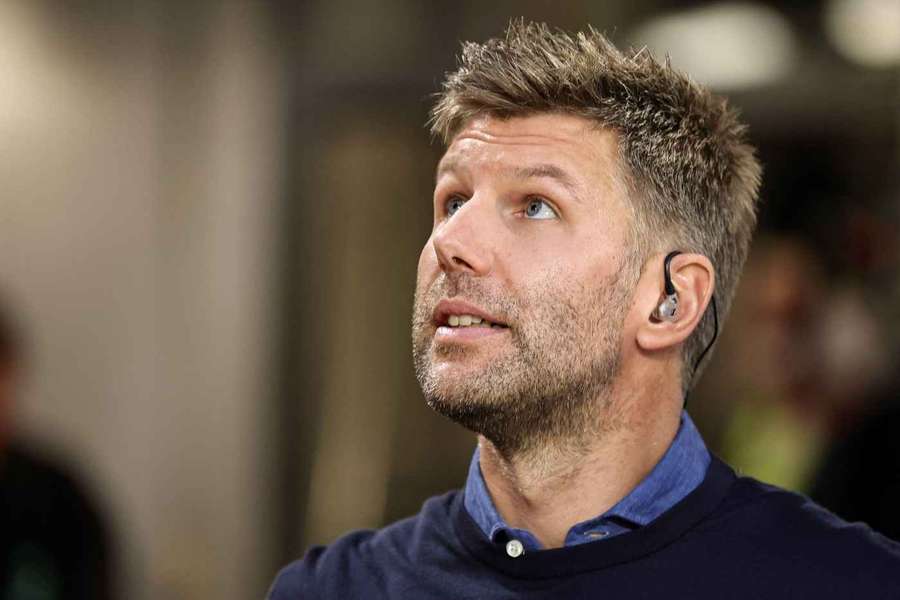
Former Germany midfielder Thomas Hitzlsperger has voiced his reservations regarding the German Football Association's approach in securing Jurgen Klopp as national team head coach, while also expressing frustration with the chaos surrounding modern transfer windows.
Hitzlsperger, who concluded his playing career after making over 300 appearances across the Premier League, Bundesliga, and Serie A, has since transitioned into broadcast media and executive leadership. Having served as sporting director and chief executive at Stuttgart, as well as holding board positions with Aalborg BK and Hellas Verona, the 44-year-old provided an insider's view on football governance and high-stakes management.
Addressing the German national side's managerial situation following Julian Nagelsmann's departure after the World Cup, Hitzlsperger acknowledged that Klopp is widely viewed by supporters as the premier candidate for the role. However, he argued that the German federation handled the process poorly from a business perspective. By allowing negotiations to become public and making it evident that Klopp was their sole target, the federation surrendered all leverage, permitting the manager to dictate his terms. Hitzlsperger maintained that football governing bodies should take their time and evaluate multiple options rather than proceeding without an alternative plan.
Reflecting on operational club roles, Hitzlsperger admitted that returning to a sporting director position holds little appeal for him due to the intense environment surrounding modern player trading. He characterised transfer windows, especially the final deadline days, as increasingly absurd and chaotic. He pointed to the relentless scrutiny from media cameras, the massive amounts of money involved, and the immense pressure placed on club executives up until the final moments of negotiations as negative aspects of the contemporary game.
Turning his focus to his former club Aston Villa, Hitzlsperger commended manager Unai Emery for his impact since taking over from Steven Gerrard. He highlighted Villa's fourth-place Premier League finish and their first European trophy in over four decades, attributing the turnaround to the club owners' decision to give Emery full authority to implement his philosophy. While noting the challenges posed by financial regulations in competing with the traditional top-six clubs, he praised the high-risk, attractive brand of football Emery has established as the club returned to the Champions League.
Hitzlsperger also addressed the growing physical and mental demands on elite footballers, arguing that competing interests between international and continental governing bodies for expanded tournaments and revenue are overloading the calendar. He concluded with praise for Stuttgart head coach Sebastian Hoeness, noting that his brave tactical setup and productive alignment with the club's board have successfully revitalised the Bundesliga outfit in domestic and European competitions.