
Ferrari Strategy Under Scrutiny Following Lewis Hamilton Pit-Stop Dispute in Singapore
Ferrari's internal communication and strategy decisions have come under renewed focus after Lewis Hamilton overrode pit-wall instructions at the Singapore Grand Prix. The decision dropped him from a potential podium to a sixth-place finish, raising questions about trust within the team following back-to-back strategic miscalculations.
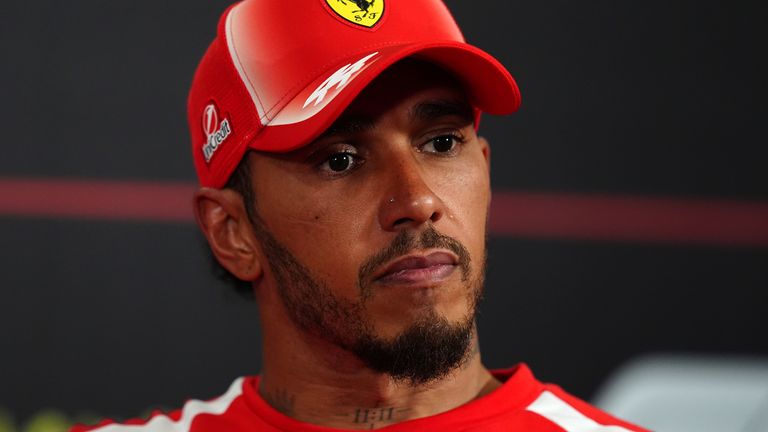
Ferrari’s strategic operations and driver communication have faced fresh criticism following the Singapore Grand Prix, where Lewis Hamilton overrode a team order to make a pit stop. The decision cost the British driver a likely third-place finish, leaving him in sixth after struggling on heavily worn tyres in the closing stages.
Hamilton took responsibility for the outcome over team radio after the race and later acknowledged on social media that choosing a strategy that failed to deliver was a painful lesson. However, the event marked the second consecutive race weekend where Ferrari's strategic choices became a focal point of debate. At the previous round in Malaysia, the team initially misjudged wet conditions by starting on slick tyres, causing their cars to drop down the order. Hamilton had questioned that strategy from the cockpit, chose to extend his stint on slicks longer than team-mate Charles Leclerc, and ultimately recovered to secure a podium finish after a timely safety car.
That sequence of events has led Formula 1 analysts to question the level of trust between Hamilton and the Ferrari pit wall. Former Aston Martin race strategy head Bernie Collins noted that Hamilton’s tendency to question decisions suggests he lacks complete confidence in the team's calls. Team principal Fred Vasseur confirmed that Ferrari had instructed Hamilton to pit during a lap-39 Virtual Safety Car period, which Hamilton either missed or ignored. Collins pointed out that a driver of his experience does not simply forget to pit, suggesting the move reflected deeper hesitation regarding team instructions after his strategic gamble had proved successful the week before.
Collins explained that while race strategists hold the broader picture and drivers should generally adhere to pit-wall instructions, teams with tactically minded drivers often need to adapt. Drawing on her experience managing strategies for Sebastian Vettel, she highlighted the value of providing drivers with scenarios and strategic intentions several laps in advance. Communicating anticipated moves before safety car deployments allows drivers to weigh in earlier and reduces the risk of hurried disputes during short decision windows.
Former driver and analyst Karun Chandhok also emphasized the need for Ferrari to reset its operational approach. Chandhok highlighted that Hamilton had grown frustrated earlier in the Grand Prix after being caught behind Leclerc following an early switch to soft tyres. When Leclerc pitted under the neutralisation, Hamilton chose to stay out for clear air rather than considering the broader race time. Chandhok observed that the pit wall failed to clearly inform Hamilton about the rapid rate of tyre degradation he would face, underscoring the team's responsibility to deliver a clear overall picture to guide their driver's decisions.